 English
 中文
中文 عربي
عربي Русский
 Deutsch
 Français
 Türkçe
 Italiano
 Español
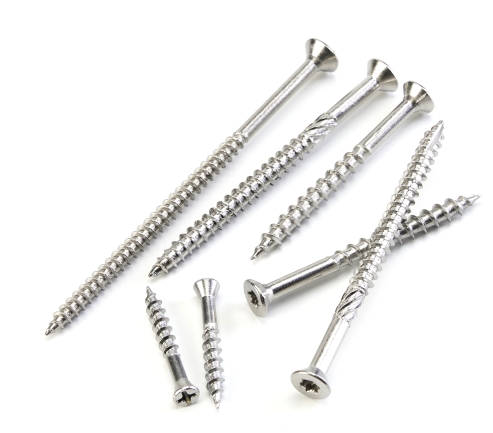
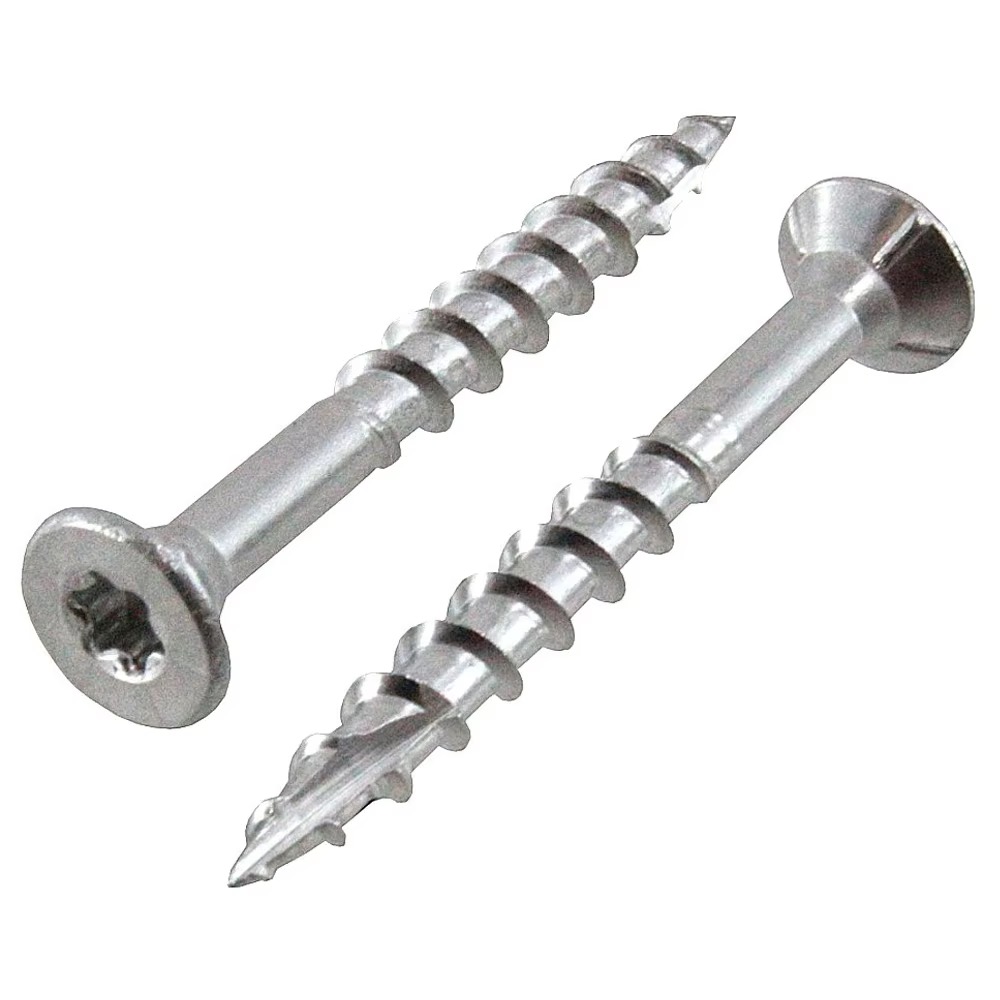
Something interesting is happening in the solar industry.
On September 4, a vertical PV system was installed in Dublin, marking the first installation of its kind in Ireland. The 5.37 kW system uses 21 vertical bifacial PV units and is integrated directly with a green roof.
At first glance, it sounds simple:
Just install the panels vertically.
For engineers, however, the story is more interesting.
Change the Orientation, Change the Load Path
Traditional rooftop PV usually follows a familiar geometry. Tilt angle, gravity, wind loads, rails, supports and fasteners all work within a relatively established installation pattern.
Vertical PV changes that picture.
Especially when it is combined with green roofs, unconventional roofing systems or other non-standard applications, the connection points can experience a different combination of forces and environmental exposure.
The same panel can behave very differently simply because its orientation has changed.
So the question for a fastener should not only be:
''Is it strong enough?''
A better question is:
''How is it expected to carry the load?''
A Fastener Is Part of the Load Path
When we look at a PV system, we usually notice the modules, rails, mounting structures and inverters first.
The fastener is easy to overlook.
Yet from an engineering perspective, wind loads, vibration and structural forces eventually have to travel through the connection points into the supporting structure.
That makes the fastener more than just a piece of hardware.
It becomes a load-transfer point.
And as solar installations become more diverse, this becomes increasingly important.
Traditional pitched roofs, vertical PV, green roofs, solar carports, agrivoltaics and other emerging applications will not necessarily share the same installation conditions.
Solar is changing its posture.
The fastening strategy has to change with it.
Material Choice Becomes More Interesting
Different applications can require a balance between drilling performance, connection strength and environmental resistance.
This is where bimetal fastening solutions can become interesting.
A carbon steel + stainless steel configuration can combine strong drilling and fastening capability with the environmental resistance expected from stainless steel.
The goal is not to make every project use the same material.
It is almost the opposite.
The more diverse solar applications become, the more important application-specific fastening becomes.
Solar is moving beyond the traditional rooftop.
And sometimes, the most interesting engineering question is not how advanced the solar module is.
It is this:
When the module changes its position, is the small connection point underneath it ready for the change?
That may be one of the more interesting fastening questions for the next generation of solar installations.