 English
 中文
中文 عربي
عربي Русский
 Deutsch
 Français
 Türkçe
 Italiano
 Español
On August 22, an interesting development in the UK solar market attracted attention. From August 27, compliant plug-in balcony solar systems became available in Great Britain. Unlike conventional rooftop PV, these compact systems can be installed on balconies and connected directly to standard household sockets within the permitted power limit. They are particularly aimed at apartment residents, renters, and households without access to a traditional rooftop, with prices starting at around £499. (theguardian.com)
At first glance, it sounds simple: put a solar panel on a balcony, plug it in, and generate electricity. But from an engineering perspective, the change is more interesting than it looks.
As solar moves from large rooftops and ground-mounted projects into balconies, homes, and other everyday spaces, the installation environment becomes increasingly diverse.
Solar Is Entering Less Standardized Environments
Traditional solar projects usually operate within relatively defined installation conditions. Rooftops have established structures, ground-mounted systems have foundations, and large projects can determine many parameters during the design stage.
Balcony solar is different. Different buildings, railings, walls, spaces, substrates, and installation orientations can all introduce new variables. The same solar technology may therefore require a different connection approach when the application changes.
This reflects a broader shift in the solar industry: technology is moving from highly standardized large-scale projects into increasingly diverse real-world environments.
And That Changes the Question for Fasteners
When the application changes, the challenges facing a fastener can change as well.
Where it is installed, what materials it connects, the direction of the load, and the surrounding environment can all influence connection performance. A fastener may experience wind loads, structural movement, vibration, temperature changes, and different deformation between connected materials.
So asking, ''How strong is this fastener?'' is important, but it is not the whole question.
A more useful question may be:
''How will it behave here?''
Static Strength Matters. But It Is Not Everything.
If a fastener can withstand a certain static load, that is obviously important. But real connections do not live inside a permanent static test.
Loads change. Structures move. Materials deform. Preload can change.
In 2026, Lawrence Berkeley National Laboratory studied bolted joint reliability in utility-scale PV systems. The research notes that large solar projects can contain millions of bolted connections, with joint performance strongly influenced by the preload created during installation. Poor preload control can contribute to joint slip, joint opening, fastener fracture, and, in some systems, reduced electrical bonding performance.
So a fastener does not truly begin working when the solar system starts producing electricity.
It begins working when the connection is properly assembled.
One Simple Engineering Reality
The same fastener can face completely different challenges when the environment changes.
On a rooftop, it may primarily deal with wind loads and thermal movement. In a coastal environment, salt exposure becomes another factor. In an industrial area, pollutants and chemicals may enter the equation. In a balcony system, building structure, limited installation space, and different substrates introduce another set of variables.
That is why engineering should look beyond a number measured in a laboratory and consider what that number means once the fastener enters a real application.
This Is Where the Bimetal Concept Becomes Interesting
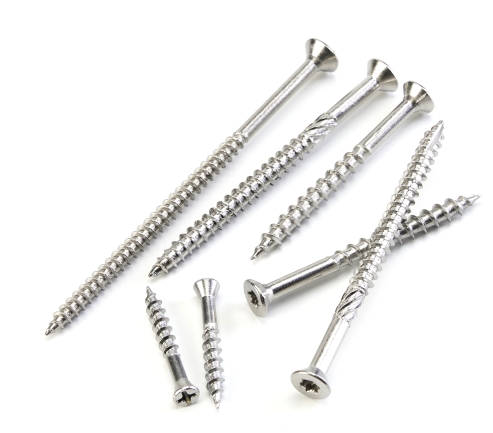
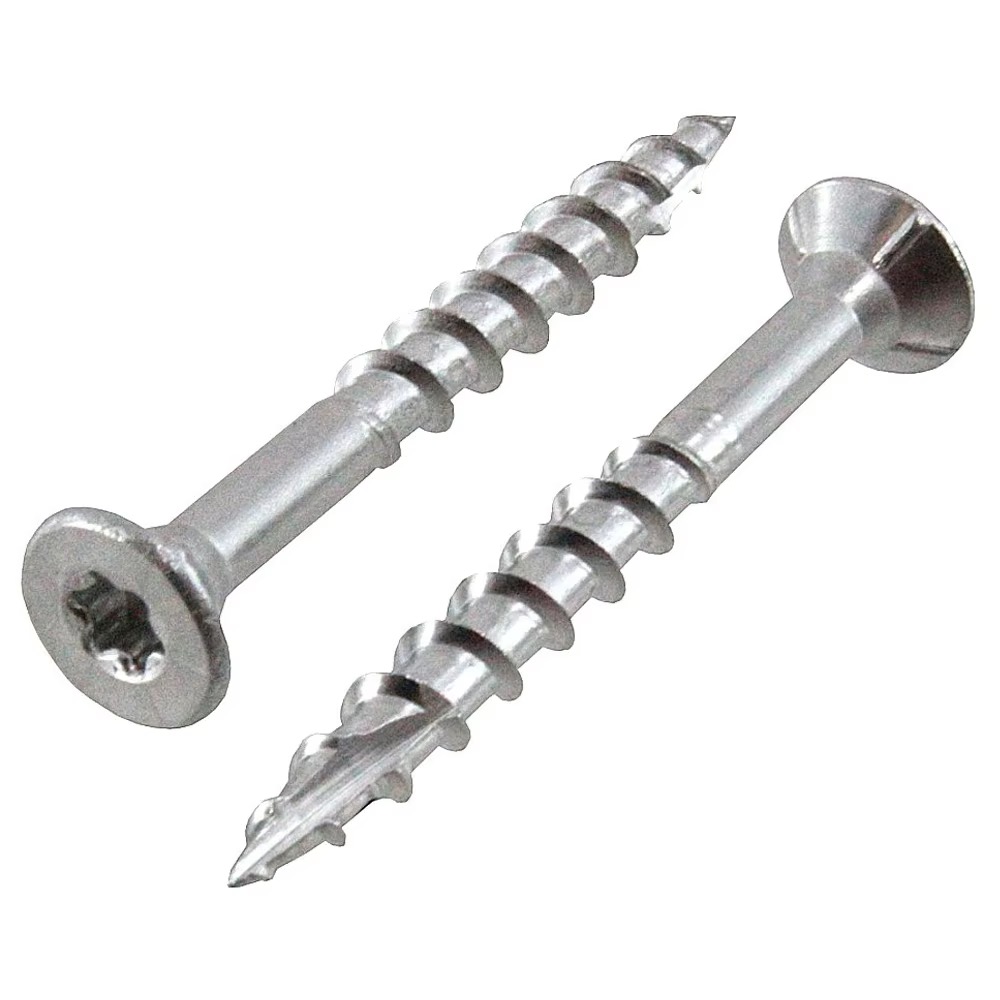
The idea behind bimetal self-drilling screws is not simply that “more materials must be better.” It is about giving different materials different responsibilities.
- The carbon steel drill point provides drilling capability and installation performance
- The stainless steel body provides environmental adaptability and corrosion resistance.
Instead of asking one material to do everything, each material can focus on what it does best.
It is a simple engineering idea:
Do not search for one universal material. Use materials where they make the most sense.
As Solar Expands, Connections Become More Interesting
From utility-scale solar farms to commercial rooftops and increasingly popular balcony systems, solar technology is entering a wider range of applications.
For fasteners, the future challenge may therefore not simply be “bigger projects.”
It may be more diverse applications.
And when the application changes, the connection logic can change with it.
One Simple Question
Engineers often ask:
''Is this fastener strong enough?''
Perhaps we should also ask:
''Is it right for this application?''
Because there is no single material that solves every problem, and no single fastener that fits every environment.
A good connection is not simply strong enough. It is the right material, in the right place.