 English
 中文
中文 عربي
عربي Русский
 Deutsch
 Français
 Türkçe
 Italiano
 Español
A rooftop has unused space for solar power, but its load-bearing capacity is limited. What comes next?
The conventional response may be to reinforce the roof, modify the mounting structure or add more fixing points. But a new mounting approach raises another possibility: instead of adding more anchors, rethink how the loads are transferred.
On October 15, pv magazine reported on a mounting system developed by Dutch startup Rable for fragile roofs. According to the company, its lattice structure can reduce the number of anchor points by approximately 95% and transfer loads to the roof purlins rather than directly to the roof panels. For roofs with limited load-bearing capacity, this offers an alternative installation approach.
The Problem: Are More Connection Points Always Better?
Adding connection points may appear to make a structure more secure, but quantity alone does not determine load-bearing capacity. Roof panels, purlins and the main structure have different roles. If loads are not transferred to suitable structural members, adding more screws may not address the underlying problem.
Every additional anchor also has to be assessed in relation to the substrate, installation position, connection method and roof construction. On lightweight roofs, the question is not simply whether the mounting structure is firmly attached, but whether the supporting structure can carry the loads.
The Solution: Design the Load Path Before Selecting the Fastener
The first step is to understand how the mounting structure distributes loads and where those loads ultimately go. Fasteners should then be selected according to the requirements of each connection. Anchor numbers may be reduced, but every remaining connection must still meet the relevant engineering requirements.
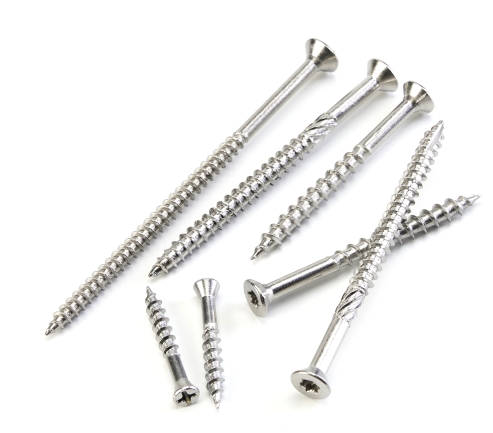
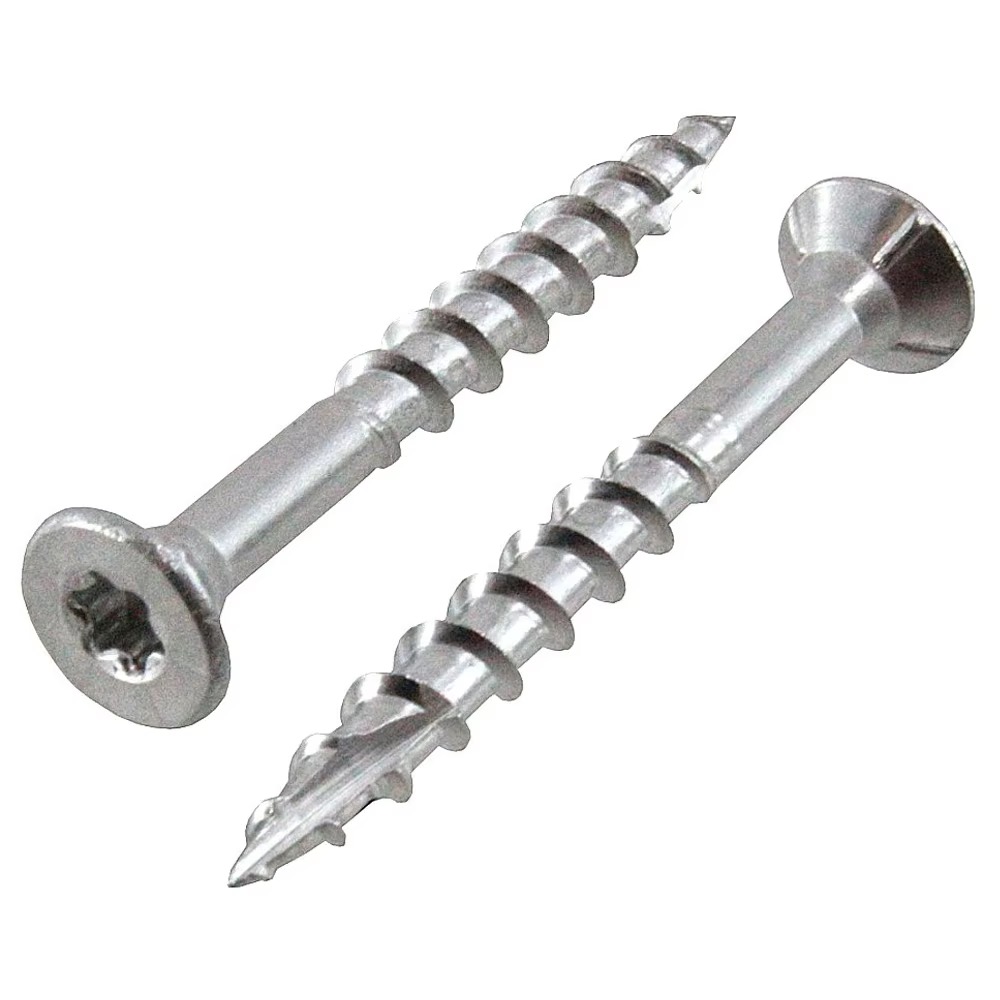
For metal-roof applications, fastener selection also needs to account for substrate thickness, drilling capability, connection requirements and environmental exposure. Where both drilling performance and environmental resistance are required, carbon steel + stainless steel bimetal screws may be one option, depending on the substrate, loads and project specifications.
The point is not that fewer anchors are always better. It is that the number of connections should follow the structural design—not replace it.
A Fastener Does More Than Hold a Mounting Structure in Place
Solar technology continues to evolve, but roof conditions remain diverse. Some roofs can accommodate conventional mounting systems; others require a different approach to supporting and distributing loads.
A good engineering solution does not force every project into the same connection method. It allows the structure, mounting system and fasteners to perform their respective roles.
Sometimes, the best solution is not adding another screw.
It is asking first:
Where does this screw need to transfer the load?