 English
 中文
中文 عربي
عربي Русский
 Deutsch
 Français
 Türkçe
 Italiano
 Español
Offshore Engineering Is Entering a New Phase
On September 18, 2026, OCEANUS 1 entered service in Taiwan, a new cable-laying vessel designed for offshore wind, subsea power transmission and other marine infrastructure projects.
The vessel is equipped with an 8,000-tonne cable carousel, a 250-tonne hydraulic A-frame, a 40-tonne service crane and a work-class ROV. Its modular work deck can be adapted for cable transport, trenching, cable protection, jointing and survey operations.
The message behind this development is bigger than one vessel:
Offshore projects are becoming more integrated, modular and service-oriented.
What Does This Mean for Fasteners?
As marine structures become more complex, fastening is no longer just about connecting two components.
Installation efficiency, material compatibility and corrosion resistance all have to work together—especially for secondary steelwork, equipment supports, access systems and other components exposed to demanding marine environments.
This is where material integration becomes interesting.
Why Bimetal?
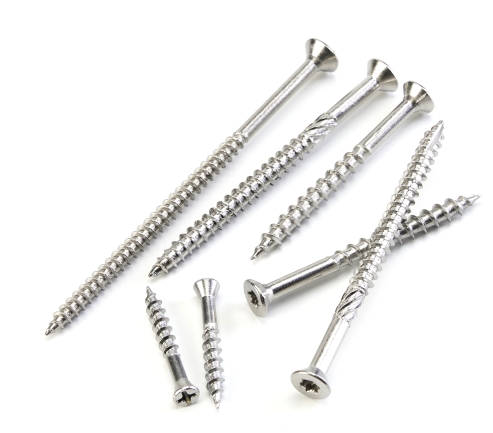
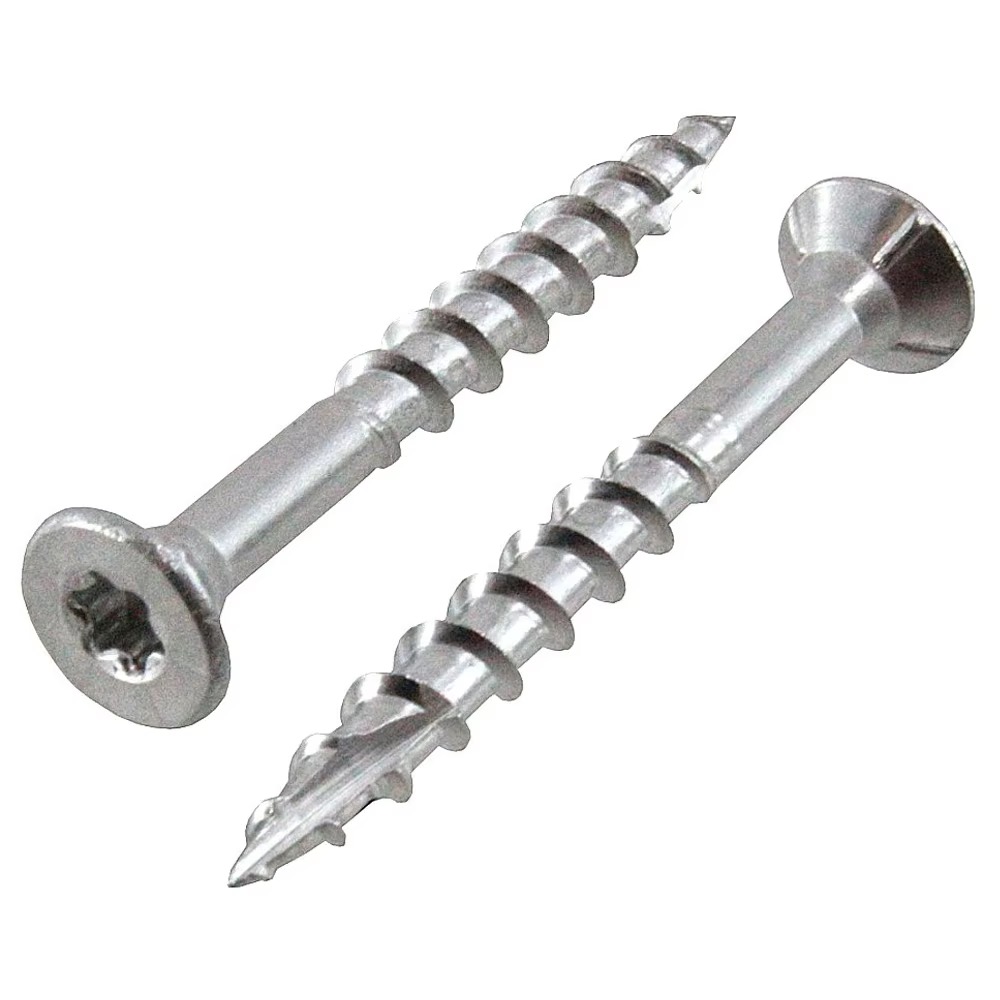
Bimetal fasteners combine a carbon-steel drill point with a stainless-steel body, bringing drilling performance and corrosion resistance into one fastening solution.
For suitable marine and offshore applications, this combination can address two practical requirements at the same time:
- Efficient installation into steel structures
- Better corrosion resistance for the exposed fastener body
It is not about replacing every conventional fastening material.
It is about using different materials where each one performs the function it is best suited for.
The Bigger Picture
The next generation of offshore infrastructure will not only be defined by larger vessels, heavier equipment or bigger projects.
It will also be defined by how intelligently small components are designed around the whole system.
Material integration is becoming an important direction in fastening technology—and bimetal is one example of that shift.