 English
 中文
 عربي
 Русский
 Deutsch
 Français
 Türkçe
 Italiano
 Español

A New Code, A Practical Lesson
On August 24, 2026, the Florida Roofing and Sheet Metal Contractors Association discussed new Florida Building Code requirements for fastener corrosion resistance. The 2026 code is scheduled to take effect on December 31, 2026.
One key detail: buildings within 3,000 feet of the coastal shoreline are covered by new saltwater-environment provisions, with additional requirements for certain conditions within 300 feet. Not every fastener will automatically qualify.
Why Does Distance Matter?
Salt carried by coastal air can accelerate corrosion, but distance alone does not tell the whole story. Exposure, shelter, moisture and the fastener’s material all matter.
When selecting fasteners for outdoor steel structures, consider three things:
1. Assess the environment. Coastal exposure, industrial pollution and sheltered damp areas can create different corrosion conditions.
2. Check the complete fastener system. Material, coating, washer compatibility and installation details all influence performance.
3. Verify the specification. Salt-spray hours can help compare tested coatings, but they do not automatically prove compliance with every project code. Check the applicable standard and approval requirements.
Where Do Bimetal Screws Fit?
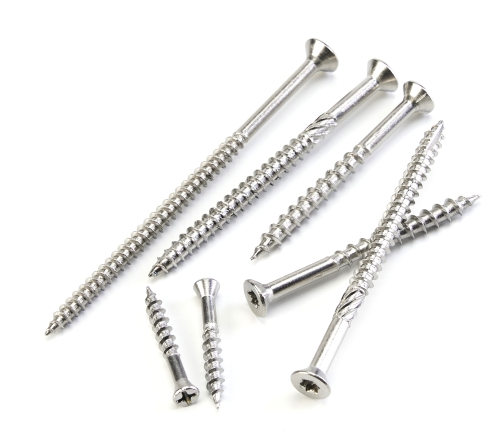
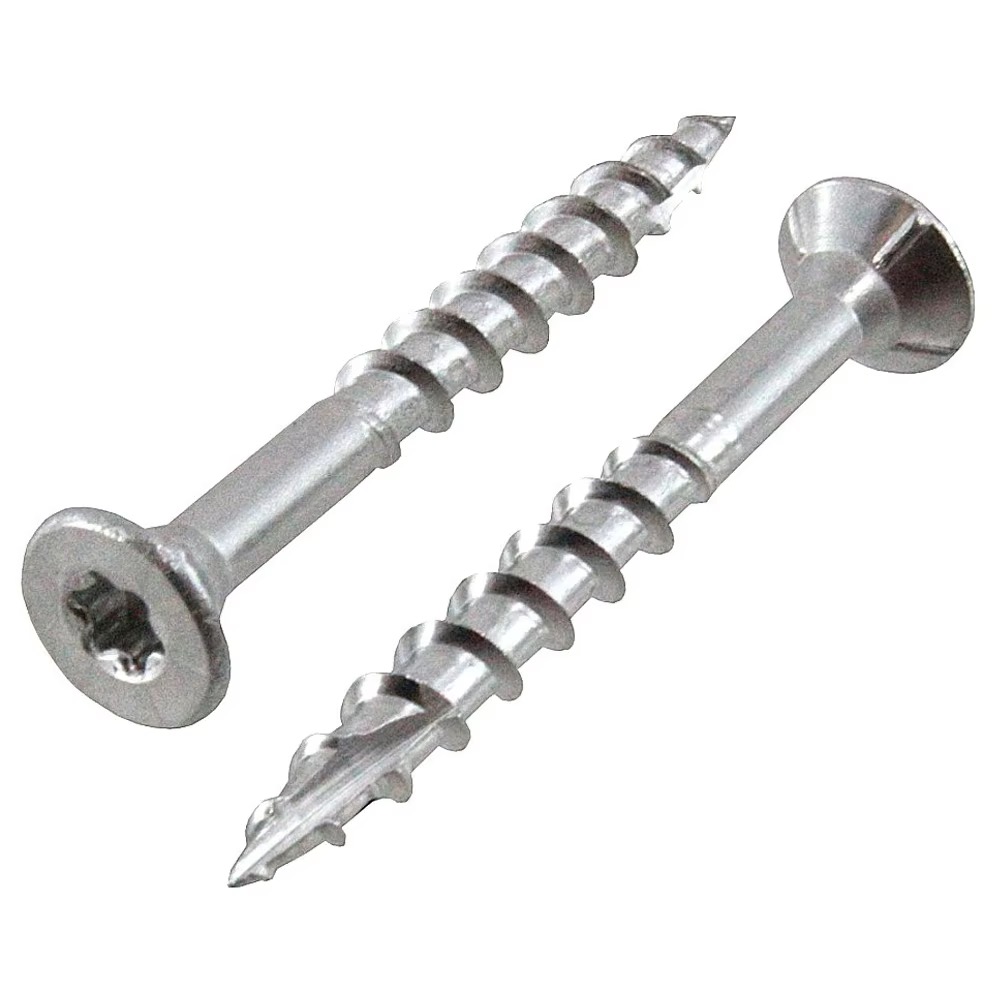
Bimetal self-drilling screws combine a stainless steel body with a carbon steel drill point. The stainless body helps resist corrosion, while the carbon steel point provides drilling capability.
They can be worth evaluating for applications that need both drilling performance and corrosion resistance—but the correct grade and configuration must still match the project requirements.
As a source bimetal screw manufacturer, our goal at TLH Fastener is straightforward: help customers choose suitable fastening solutions, reduce avoidable rework and replacement, and make future repairs less likely.
The best starting point is not choosing the most expensive screw. It is understanding the environment it must work in.