 English
 中文
中文 عربي
عربي Русский
 Deutsch
 Français
 Türkçe
 Italiano
 Español
Recent discussions around rooftop PV installations have brought renewed attention to an important topic: designing for long-term system performance.
This is not about questioning solar energy itself.
It is about asking a more practical engineering question:
Are we giving the same level of attention to every detail of a PV system—from the module and mounting structure to the smallest fastening component?
What happens when different parts of a system interact in ways we did not fully anticipate?
That question goes far beyond any single component.
A Solar System Is More Than a Collection of Products
A PV project is usually described component by component:
- Modules
- Inverters
- Mounting structures
- Cables
- Fasteners
Simple enough.
But buildings do not operate component by component.
They operate as systems.
A roof interacts with a mounting structure.
A mounting structure interacts with fasteners.
Materials interact with moisture, temperature and the surrounding environment.
Mechanical and electrical components operate within the same physical space.
And sometimes, the most important part is not the component itself.
It is the interface between components.
This is where engineering becomes more interesting.
The Real Challenge Is Often the Interaction
When different systems are combined, their operating conditions can also change.
A mounting structure may introduce loads to a roof.
A fastener may connect two different materials.
Different metals may experience different environmental responses.
Temperature changes can cause materials to expand and contract at different rates.
Moisture and atmospheric conditions can also influence how materials behave over time.
None of these factors necessarily indicate a problem on their own.
But together, they create a more important question:
How will the complete system behave under actual operating conditions?
This is one of the reasons system-level thinking matters.
The ''Everything Looks Good'' Trap
Imagine a solar system assembled with:
- A high-quality module
- A well-designed mounting rail
- A reliable fastener
- A suitable roof
Everything looks good individually.
Then put them together.
Suddenly, the engineering question becomes more complicated:
- Do the materials work well together?
- Does the connection suit the environment?
- Does installation introduce additional stress?
- Is the selected material appropriate for the application?
- How will the connection perform when exposed to humidity, salt, chemicals or temperature changes?
Engineering has a slightly annoying habit:
Good individual components do not automatically create a good system.
This Is Where Fasteners Become Interesting
Fasteners sit directly at these interfaces.
They connect different materials.
They transfer mechanical loads.
They are exposed to the surrounding environment.
And they often need to satisfy several requirements at the same time.
So fastener selection should not simply ask:
“Is it strong enough?”
A better question is:
“Is it suitable for the combination of materials, environment and application?”
That difference may seem small.
In practice, it can influence the long-term performance of the entire connection.
Why Bimetal Makes Engineering Sense
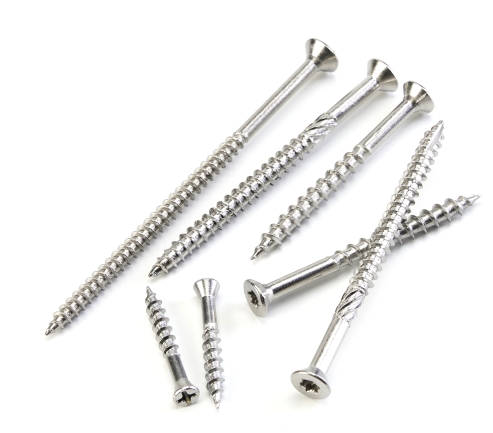
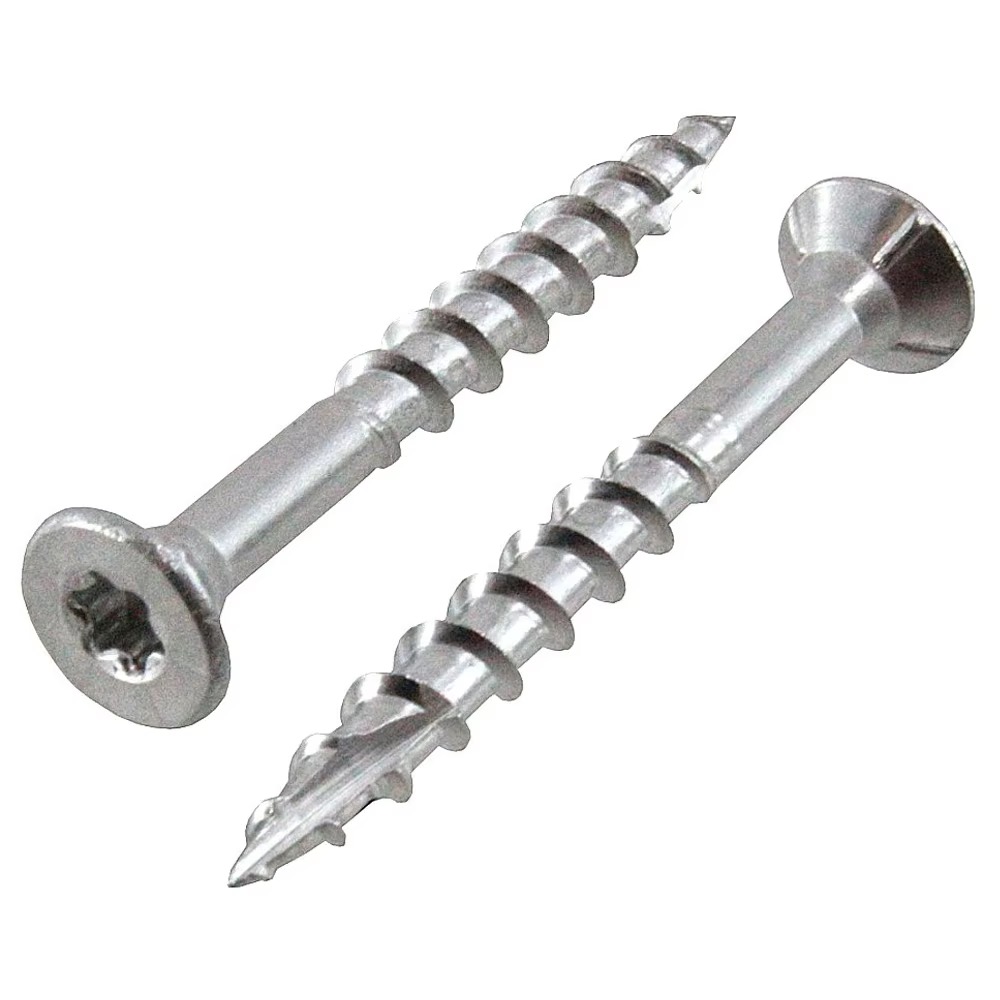
This is one reason bimetal self-drilling screws are worth considering.
The concept is relatively straightforward:
Use alloy steel where drilling performance is required.
Use stainless steel where environmental resistance is important.
Instead of asking one material to perform every function, the design allows different materials to contribute different strengths.
Alloy Steel Drill Point
→ Drilling capability
→ Installation performance
→ Efficient penetration of steel substrates
Stainless Steel Body
→ Corrosion resistance
→ Environmental adaptability
→ Long-term connection performance
This approach can be particularly interesting for applications where drilling performance and corrosion resistance need to be considered together.
Of course, bimetal is not a universal answer.
And that is exactly the point.
The right solution depends on the application.
There Is No ''Perfect''Material
A material can be excellent in one environment and unnecessary in another.
A design can be ideal for one application and unsuitable for another.
Good engineering is rarely about finding the strongest material on paper.
It is about understanding:
- What is the material expected to do?
- Where will it be used?
- What will it interact with?
- What environmental conditions will it face?
- How will the complete connection perform?
And perhaps most importantly:
What happens when everything is put together?
The Bigger Lesson for Solar Projects
Recent discussions around rooftop PV installations remind us of something much broader than any individual product.
Modern engineering is increasingly about interaction.
Performance does not belong to one component.
Material selection should not happen in isolation.
And installation details should not be treated as an afterthought.
A solar system is a team.
Having excellent individual components certainly helps.
But they still need to work well together.
Sometimes, the critical point is not a poor component — it is an unsuitable relationship between otherwise good components.
That may be one of the most valuable engineering lessons for the next generation of solar projects.