 Deutsch
 English
 中文
 عربي
 Русский
 Français
 Türkçe
 Italiano
 Español

Am 22. August erregte eine interessante Entwicklung auf dem britischen Solarmarkt Aufmerksamkeit. Ab dem 27. August sind in Großbritannien konforme Plug-in-Balkon-Solarsysteme erhältlich. Im Gegensatz zu herkömmlicher Aufdach-PV können diese kompakten Anlagen auf Balkonen installiert und innerhalb der zulässigen Leistungsgrenze direkt an haushaltsübliche Steckdosen angeschlossen werden. Sie richten sich insbesondere an Wohnungsbewohner, Mieter und Haushalte ohne Zugang zu einer herkömmlichen Dachterrasse. Die Preise beginnen bei etwa 499 £. (theguardian.com)
Auf den ersten Blick klingt es einfach: Solarpanel auf den Balkon stellen, einstecken und Strom erzeugen. Doch aus technischer Sicht ist die Änderung interessanter als sie aussieht.
Da die Solarenergie von großen Dächern und Freilandprojekten auf Balkone, Häuser und andere Alltagsräume vordringt, wird die Installationsumgebung immer vielfältiger.
Solarenergie dringt in weniger standardisierte Umgebungen vor
Herkömmliche Solarprojekte werden normalerweise innerhalb relativ definierter Installationsbedingungen betrieben. Auf Dächern gibt es etablierte Strukturen, auf Freiflächenanlagen gibt es Fundamente und bei großen Projekten können bereits in der Entwurfsphase zahlreiche Parameter festgelegt werden.
Balkon-Solar ist anders. Unterschiedliche Gebäude, Geländer, Wände, Räume, Untergründe und Installationsausrichtungen können alle neue Variablen einführen. Dieselbe Solartechnologie erfordert daher möglicherweise einen anderen Anschlussansatz, wenn sich die Anwendung ändert.
Dies spiegelt einen umfassenderen Wandel in der Solarbranche wider: Die Technologie bewegt sich von hochstandardisierten Großprojekten hin zu immer vielfältigeren realen Umgebungen.
Und das ändert die Frage für Verbindungselemente
Wenn sich die Anwendung ändert, können sich auch die Herausforderungen ändern, vor denen ein Verbindungselement steht.
Where it is installed, what materials it connects, the direction of the load, and the surrounding environment can all influence connection performance. A fastener may experience wind loads, structural movement, vibration, temperature changes, and different deformation between connected materials.
So asking, ''How strong is this fastener?'' is important, but it is not the whole question.
A more useful question may be:
''How will it behave here?''
Static Strength Matters. But It Is Not Everything.
If a fastener can withstand a certain static load, that is obviously important. But real connections do not live inside a permanent static test.
Loads change. Structures move. Materials deform. Preload can change.
In 2026, Lawrence Berkeley National Laboratory studied bolted joint reliability in utility-scale PV systems. The research notes that large solar projects can contain millions of bolted connections, with joint performance strongly influenced by the preload created during installation. Poor preload control can contribute to joint slip, joint opening, fastener fracture, and, in some systems, reduced electrical bonding performance.
So a fastener does not truly begin working when the solar system starts producing electricity.
It begins working when the connection is properly assembled.
One Simple Engineering Reality
The same fastener can face completely different challenges when the environment changes.
On a rooftop, it may primarily deal with wind loads and thermal movement. In a coastal environment, salt exposure becomes another factor. In an industrial area, pollutants and chemicals may enter the equation. In a balcony system, building structure, limited installation space, and different substrates introduce another set of variables.
That is why engineering should look beyond a number measured in a laboratory and consider what that number means once the fastener enters a real application.
This Is Where the Bimetal Concept Becomes Interesting
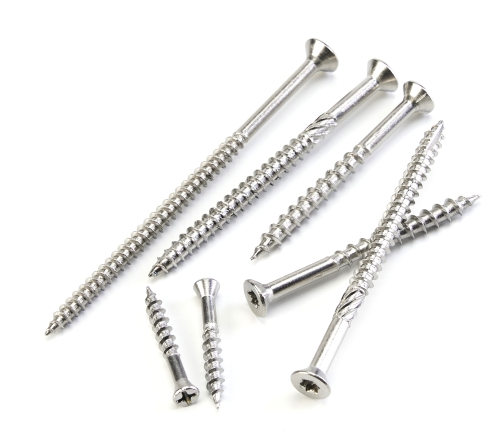
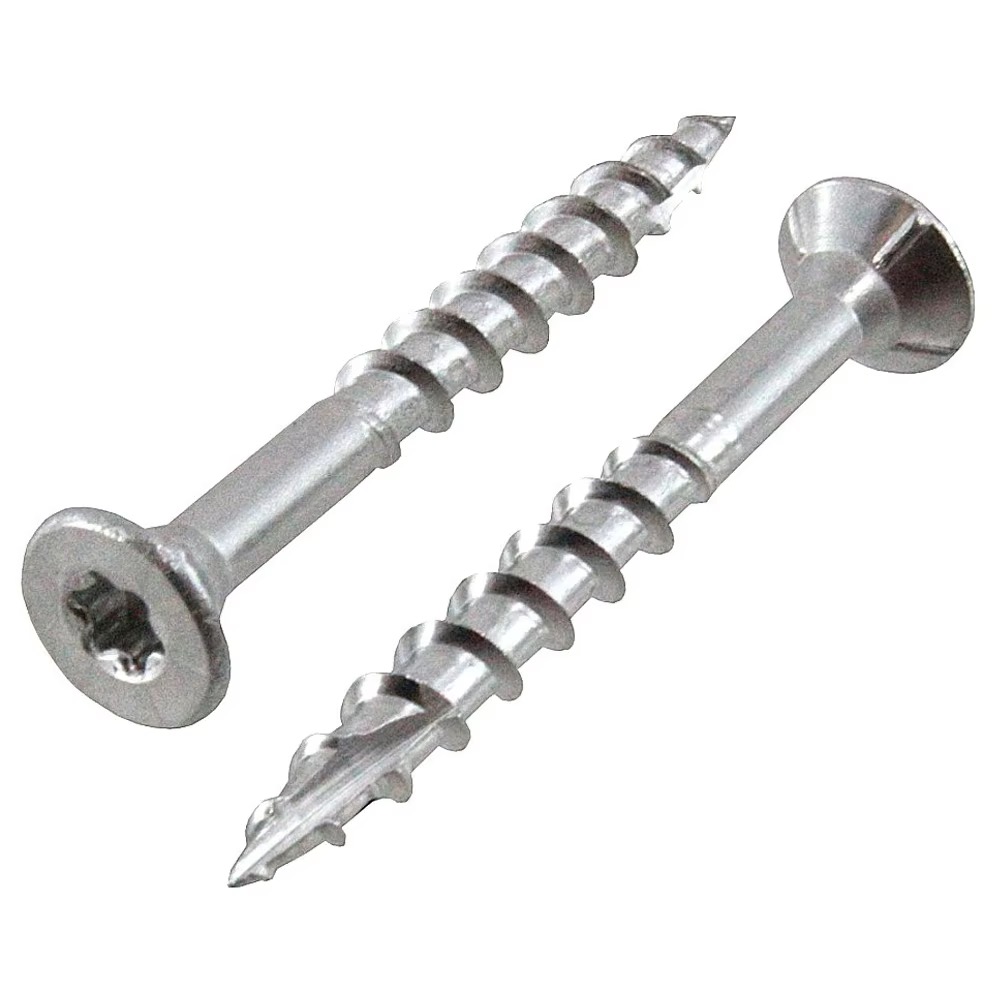
The idea behind bimetal self-drilling screws is not simply that “more materials must be better.” It is about giving different materials different responsibilities.
- The carbon steel drill point provides drilling capability and installation performance
- The stainless steel body provides environmental adaptability and corrosion resistance.
Instead of asking one material to do everything, each material can focus on what it does best.
It is a simple engineering idea:
Do not search for one universal material. Use materials where they make the most sense.
As Solar Expands, Connections Become More Interesting
From utility-scale solar farms to commercial rooftops and increasingly popular balcony systems, solar technology is entering a wider range of applications.
For fasteners, the future challenge may therefore not simply be “bigger projects.”
It may be more diverse applications.
And when the application changes, the connection logic can change with it.
One Simple Question
Engineers often ask:
''Is this fastener strong enough?''
Perhaps we should also ask:
''Is it right for this application?''
Because there is no single material that solves every problem, and no single fastener that fits every environment.
A good connection is not simply strong enough. It is the right material, in the right place.