 عربي
عربي English
 中文
中文 Русский
 Deutsch
 Français
 Türkçe
 Italiano
 Español
أهلا بالجميع،
مرحبا بكم في الحلقة الأخيرة منالسحابات والأسقف ومنطق الوقت.
في الآونة الأخيرة، بدأت العديد من أسواق البناء الكبرى في إيلاء المزيد من الاهتمام للجودة الهيكلية، وتنسيق البناء، وممارسات التفتيش.
وفي الوقت نفسه، يستمر الفولاذ في لعب دور مهم في المباني التجارية، والمرافق الصناعية، والمستودعات، والبنية التحتية، ومشاريع الطاقة المتجددة.
هذه التطورات جعلتني أفكر في سؤال بسيط:
ما الذي يجعل الهيكل الفولاذي يعمل بشكل جيد؟
ربما يقول معظم الناس:
- مواد جيدة.
- تصميم جيد.
- صنعة جيدة.
كل هذه صحيحة،ولكنها ليست سوى جزء من الصورة.
من الناحية العملية، عادة ما يكون البناء الفولاذي الناجح نتيجة للعديد من القرارات الصغيرة التي تعمل في نفس الاتجاه.
لذلك دعونا اليوم ننسى الصيغ المعقدة للحظة.
هناخمسة مبادئ عملية تستحق التذكر عند النظر إلى البناء الفولاذي.
فكر في الأنظمة، وليس الأجزاء الفردية
يحتوي المبنى الفولاذي على العديد من الأعضاء المختلفة:
- أعمدة.
- الحزم.
- تستعد.
- اتصالات.
- السحابات.
لكل منها وظيفتها الخاصة.
لكن لا أحد منهم يعمل بشكل مستقل تمامًا.
يتأثر أداء عنصر واحد بالعناصر المحيطة به.
هذا مشابه لفريق كرة القدم.
إن وجود أحد عشر لاعبًا موهوبًا لا يؤدي تلقائيًا إلى إنشاء فريق عظيم.
السؤال المهم هو:
ما مدى جودة عملهم معًا؟
الهندسة الإنشائية تتبع مبدأ مماثل.
بدلاً من السؤال فقط:
''هل هذا المكون قوي بما فيه الكفاية؟''
وعلينا أن نسأل أيضا:
'"كيف يساهم هذا المكون في النظام الهيكلي الشامل؟"
وهذا التغيير في المنظور له قيمة مدهشة.
التصميم هو البداية فقط
الرسم يمثل نية هندسية.
يمثل موقع البناء التنفيذ العملي لهذه النية.
وبين الاثنين العديد من القرارات الصغيرة:
- قياس؛
- تحديد المواقع؛
- تسلسل التثبيت
- التسامح.
- أدوات؛
- الترتيبات المؤقتة؛
- التنسيق الميداني.
ولهذا السبب لا يقتصر البناء الجيد على اتباع الرسومات فحسب.
يتعلق الأمر بالحفاظ على الاتساق بين:
التصميم ← التصنيع ← النقل ← التثبيت.
كلما تواصلت هذه المراحل مع بعضها البعض بشكل أفضل،
كلما أصبحت النتيجة النهائية أكثر قابلية للتنبؤ بها.
"المزيد" ليس دائمًا "الأفضل"
هذا هو أحد المبادئ الأكثر إثارة للاهتمام في الهندسة.
المزيد من المواد؟
→ ليس بالضرورة أفضل.
قوة أعلى؟
→ ليس بالضرورة أفضل.
هيكل أثقل؟
→ ليس بالضرورة أفضل.
الهندسة تدور حول إيجاد التوازن المناسب بين:
- قوة؛
- صلابة؛
- استقرار؛
- وزن؛
- قابلية التصنيع
- مواصلات؛
- تثبيت؛
- يكلف.
تخيل شراء حقيبة لرحلة عمل.
الحقيبة الأقوى لا تكون تلقائيًا حقيبة أفضل إذا كانت أثقل بمرتين.
وينطبق نفس المنطق على الهندسة.
الحل الأفضل ليس بالضرورة الحل الأقصى.
إنه الحل الذي يوفر الأداء المناسب للمتطلبات الفعلية.
التثبيت جزء من الهندسة
Sometimes construction is treated as the final step.
But in reality, installation can strongly influence the final condition of a structure.
Consider something as simple as:
- Where is the fixing point?
- Which tool is being used?
- How quickly can the fastener penetrate the substrate?
- Is the installation sequence efficient?
- Are the components positioned consistently?
These may sound like small questions.
But on a large project, small questions are repeated many times.
And repetition creates significance.
That is why installation should not be viewed simply as labor.
It is also part of engineering execution.
Small Components Can Have a Big Job
This is perhaps the principle I find most interesting.
- A steel beam may weigh hundreds of kilograms.
- A column may weigh several tonnes.
- A fastener may weigh only a few grams.
But the size of a component does not determine the importance of its function.
Fasteners may need to deal with several practical requirements at the same time:
→Drilling performance.
→Mechanical performance.
→Environmental resistance.
→Installation efficiency.
This is where material selection becomes particularly interesting.
Instead of asking one material to perform every task,
why not combine different material advantages?
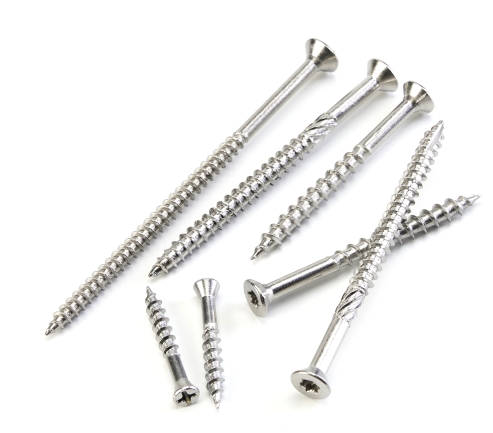
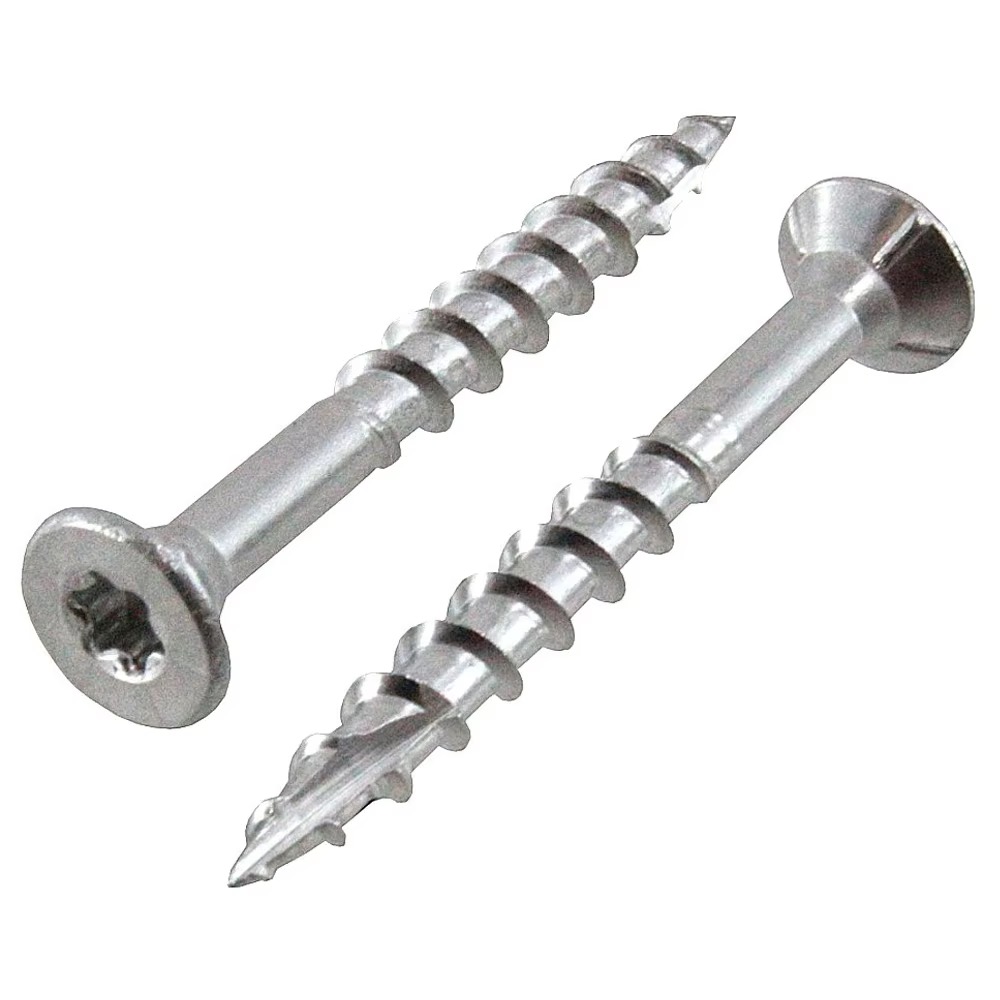
→Bimetal self-drilling screws are one example of this approach.
- An alloy steel drill point can provide efficient penetration through steel substrates.
- A stainless steel body can provide enhanced corrosion resistance for exposed applications.
In simple terms:
One part is designed to drill.
Another part is designed to resist the environment.
This is not about making the product more complicated.
It is about assigning the right material to the right job.
For steel construction, metal roofing, solar mounting, and other exterior applications, this combination can provide a practical alternative when both drilling capability and corrosion resistance matter.
Five Principles to Take Away
If we simplify today's discussion:
① Think about the whole system.
② Keep design and installation connected.
③ Don't confuse ''more'' with ''better.''
④ Treat installation as part of engineering.
⑤ Give small components the attention their function deserves.
These principles may sound simple.
But good engineering often works exactly this way.
The difficult part is not always knowing a complicated formula.
Sometimes it is simply recognizing which details deserve attention.
Final Thought
A modern steel structure is the result of thousands of decisions.
→ Some are large:
- Structural design.
- Member selection.
- Load calculations.
→ Others are very small:
- A hole.
- A fixing method.
- A tool.
- A fastener.
Yet all of them contribute to the same objective:
building a system that works as intended.
Perhaps that is one of the most useful lessons in engineering:
The importance of a component is not measured by its size, but by the job it has to do.
And sometimes,
the smallest component deserves the most thoughtful decision.